
In the ever-evolving world of YouTube content creation, camera gear has undergone a dramatic transformation by 2025. What top creators use today represents a sophisticated blend of mirrorless technology, AI-powered features, and professional-grade accessories that deliver cinematic quality while remaining accessible. This comprehensive guide explores the exact equipment powering successful channels and reveals how technological advancements have democratized high-quality video production.
The Mirrorless Revolution Dominates YouTube
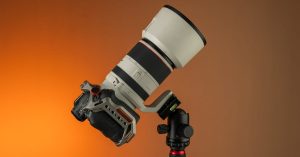
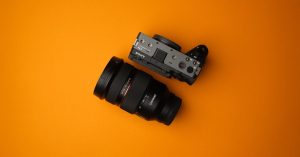
The era of the DSLR’s dominance on YouTube is decisively over. In 2025, the mirrorless camera is the undisputed champion, a revolution driven by its inherent advantages for the modern creator. The core innovation—the removal of the physical mirror and optical viewfinder—unlocks a cascade of benefits. This mechanical simplicity translates to a smaller, lighter form factor, crucial for creators on the move or using gimbals, and enables silent, vibration-free operation, eliminating the risk of mirror slap interfering with audio.
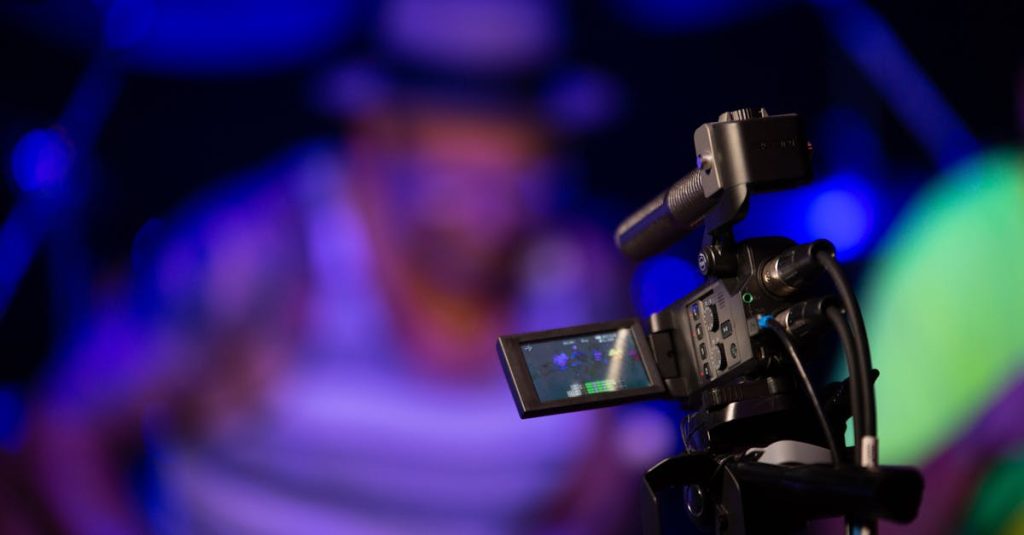
The electronic viewfinder (EVF) and rear screen are now the creative command centers. They provide a live, true-to-final-image preview, showing exactly how adjustments to depth of field, exposure, and color profile will affect the shot before recording even begins. This “what you see is what you get” workflow eliminates guesswork and costly reshoots.
This digital foundation is supercharged by AI. Modern autofocus systems, like those in the Sony A7S IV and Canon EOS R5 Mark II, use deep learning to track subjects with preternatural accuracy, even when partially obscured. Capable of analyzing up to 759 distinct points across the frame at blistering speeds, these systems allow creators to shoot at 40 frames per second for slow-motion sequences with unwavering focus. This reliability, combined with the form factor and live-preview benefits, is why flagship mirrorless models have completely supplanted DSLRs for serious video work, setting the stage for the next frontier: the sensor technology within them.
Sensor Technology and Image Quality Breakthroughs
While the mirrorless revolution defined the form factor of 2025’s cameras, the true battle for image quality is waged on the sensor inside. The choice between full-frame and APS-C sensors is no longer about mere budget, but deliberate creative application. Full-frame sensors, with their larger surface area, provide a distinct advantage in low-light, producing cleaner images at high ISOs, and offer a shallower depth of field ideal for cinematic, subject-isolating shots. APS-C sensors, meanwhile, provide a crop factor that benefits creators needing extra reach, like wildlife or sports commentators, and often come in more compact, vlogging-friendly bodies. Both now feature dynamic range exceeding 15+ stops, capturing incredible detail in both shadows and highlights, which is crucial for the high-contrast environments many creators face.
This sensor data is processed with unprecedented sophistication. Computational photography, once confined to smartphones, is now integral to professional cameras. Real-time AI noise reduction and HDR processing occur in-camera, delivering a polished image straight off the sensor. This extends to color science, where sensor data is interpreted through AI-powered profiles that can emulate specific film stocks or adapt to skin tones with remarkable accuracy. To preserve this quality, recording formats are critical. For YouTube, the sweet spot lies in 10-bit color depth, which prevents banding in gradients like skies, paired with efficient codecs like H.265 or the newer AV1. These codecs maintain high fidelity at manageable file sizes, essential for creators who shoot hundreds of gigabytes per project. The sensor is no longer just a light collector; it is the first node in an intelligent, computational imaging pipeline.
Lens Selection Strategies for Different Content Types
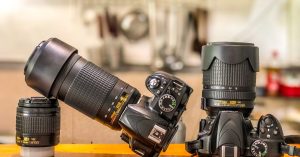
Building on the sensor’s ability to capture light, the lens becomes the storyteller’s eye, defining perspective and emotion. In 2025, the choice between prime and zoom lenses remains a core creative decision. Prime lenses, with their fixed focal lengths like 24mm, 35mm, or 50mm, offer superior aperture speed (often f/1.4 or f/1.8) for exquisite shallow depth of field and low-light mastery, making them ideal for cinematic storytelling and controlled interviews. Zoom lenses, such as a 24-70mm f/2.8, provide unparalleled versatility for dynamic, run-and-gun content like vlogging or multi-angle tutorials, where speed trumps absolute optical perfection.
Focal length strategy is paramount. For solo vlogging, a wide-angle 16-24mm is essential to keep both you and your environment in frame, especially in tight spaces. Standard 35-50mm ranges create a natural, intimate perspective perfect for product tutorials and direct-to-camera dialogue. For interviews or narrative work, a short telephoto (85mm) provides flattering facial compression and beautiful subject separation. The integration of lens-based optical stabilization (OIS) with advanced in-body stabilization (IBIS) now creates a synergistic “gimbal-like” effect, crucial for handheld vlogging without excessive digital cropping.
For budget-conscious creators, a fast 35mm or 50mm prime is an unbeatable starting point for quality. Mid-tier creators should target a standard f/2.8 zoom as their workhorse. High-end producers will leverage specialized cinema primes and parfocal zooms for flawless focus pulls. Regardless of budget, the modern strategy is to pair one versatile stabilized zoom for flexibility with one fast prime for depth and low-light, ensuring you’re equipped for any narrative your 2025 content demands.
Lighting Technology Evolution for Home Studios
Following the careful lens selection discussed previously, lighting is the transformative element that sculpts your image, defining its mood and professional quality. In 2025, the LED revolution is complete, with creators benefiting from panels that are cooler, more energy-efficient, and remarkably durable compared to older tungsten or fluorescent systems. The paramount technical advancement is in color science; high-end LEDs now boast CRI (Color Rendering Index) and TLCI (Television Lighting Consistency Index) scores above 98, ensuring your skin tones and product colors are reproduced with absolute fidelity, perfectly complementing your camera’s sensor.
The foundational three-point lighting setup—key, fill, and backlight—remains essential for dimensionality, but execution has evolved. Creators now use large, soft LED panels or quick-assembly softboxes to create flattering, wrap-around light that minimizes harsh shadows. Practical lighting, like intelligent RGB tubes or app-controlled bulbs within the scene, adds depth and a cinematic feel without complex rigging. Portability is key for home studios; bi-color LEDs that adjust from warm to cool white and compact, powerful panels allow for rapid setup changes from a desk setup to an interview scene.
Smart integration is now standard. Lighting systems feature Bluetooth or Wi-Fi, enabling control via smartphone apps to save scene memories for different shoot types—a crisp tutorial look versus a warm, relaxed vlog ambiance. This seamless control, combined with lightweight, battery-operated options, means professional lighting is no longer confined to a fixed studio. It is an adaptable, intelligent tool that empowers creators to achieve broadcast-quality imagery anywhere, directly shaping the visual narrative before the critical audio capture, which we will explore next, is even considered.
Audio Equipment for Professional Sound Quality
Following the visual perfection enabled by modern lighting, professional audio captures the audience’s trust. The core of any setup is the microphone. Dynamic microphones, like the Shure SM7B, remain the workhorse for voiceovers in untreated spaces due to their excellent noise rejection. For pristine, detailed capture in a controlled environment, a large-diaphragm condenser microphone is king. For on-camera work, a shotgun microphone mounted on a boom or camera cage provides focused directional audio, while a lavalier microphone is the undisputed champion for interviews and talking-head footage, ensuring consistent levels regardless of head movement.
The bridge between microphone and computer is the audio interface, which has seen massive creator-focused innovation. Modern units offer pristine preamps, loopback functionality for easy monitoring, and often include DSP for real-time effects. For mobility, wireless systems have undergone a reliability revolution. Digital UHF and 2.4 GHz systems now provide crystal-clear, dropout-resistant audio, making wireless lavaliers a staple for any creator on the move.
To combat echo and reverb, acoustic treatment is non-negotiable. Strategic placement of bass traps, acoustic panels, and diffusers transforms a home studio. For location shooting, portable solutions like sound blankets, mini booms, and foldable isolation shields are essential for mitigating challenging acoustics, ensuring your audio quality matches the cinematic movement achieved in the next chapter.
Stabilization and Movement Equipment
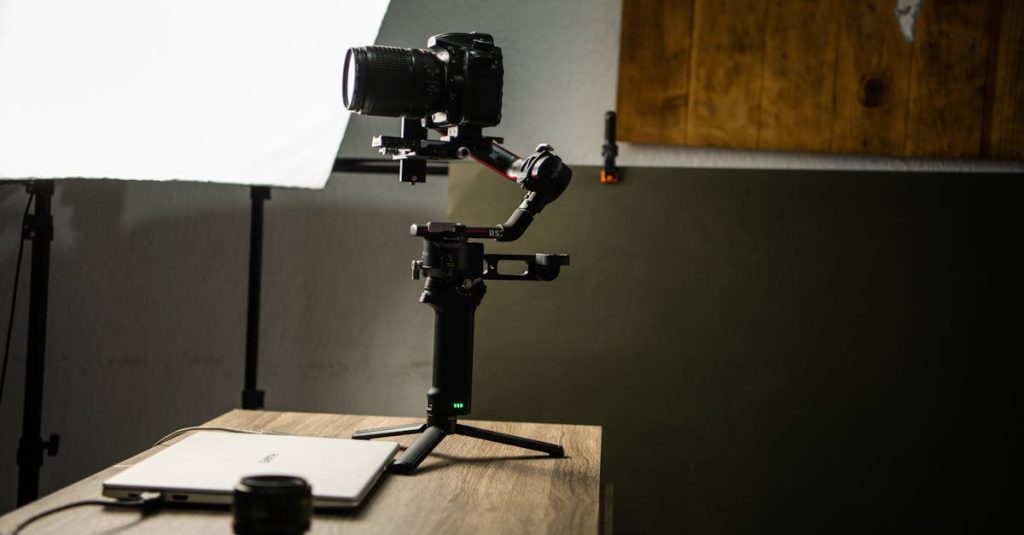
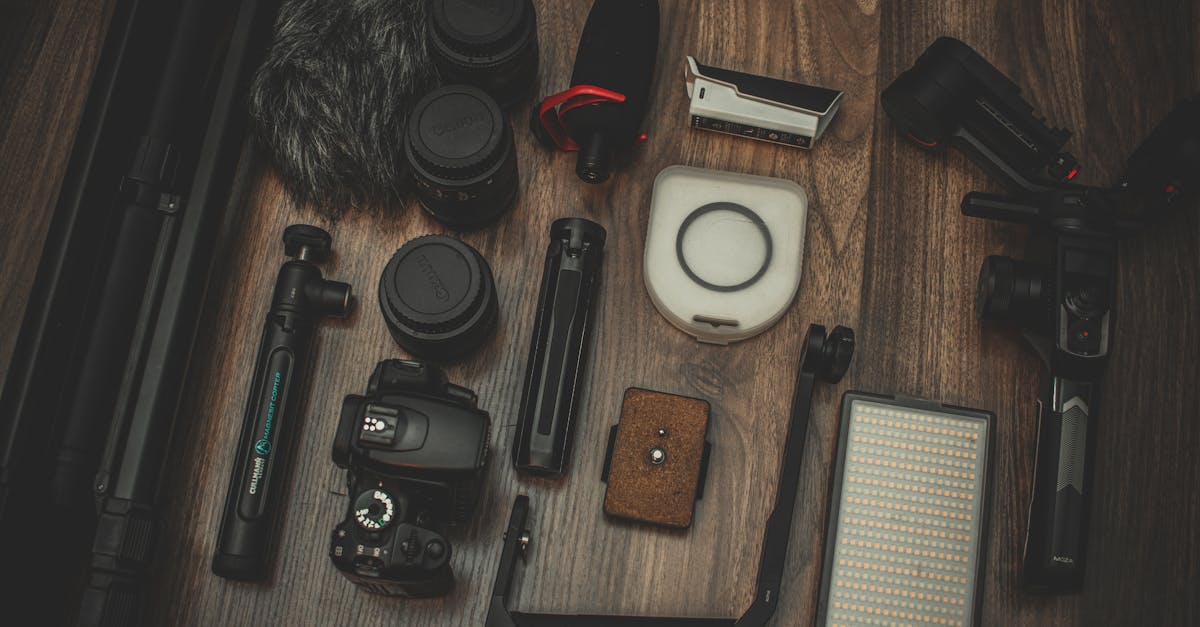
Following the critical foundation of pristine audio, the visual dynamism of your footage becomes the next frontier. In 2025, stabilization and movement equipment have evolved beyond mere shake reduction to become essential tools for intentional, cinematic storytelling. The gimbal has undergone a quiet revolution, with motors now powerful and intelligent enough to handle full-frame mirrorless cameras paired with substantial cinema lenses. These modern gimbals feature integrated AI tracking that locks onto a subject with frightening accuracy, allowing creators to focus on composition while the gear handles complex, buttery-smooth motion.
For static shots and controlled movement, the tripod remains indispensable. The professional standard is the fluid head tripod, where hydraulic damping provides silky, resistance-adjustable pans and tilts essential for interviews and sweeping landscape shots. Meanwhile, slider systems have become remarkably compact and versatile, with many offering motorized, programmable motion for repeatable, dolly-like moves that add profound production value, even on a tabletop. Handheld work has been refined through ergonomic cage systems and shoulder rigs that distribute weight and provide multiple mounting points, transforming mirrorless cameras into stable, run-and-gun production machines.
Aerial perspective is now more accessible than ever, with drone technology offering 8K sensors and obstacle avoidance in increasingly smaller form factors. However, 2025 regulations, especially in urban areas, emphasize remote ID and strict geo-fencing, making pre-flight planning apps a non-negotiable part of a creator’s workflow. This ecosystem of stabilization gear, from the ground to the sky, works in concert to give creators the fluid, intentional motion that audiences now expect, seamlessly setting the stage for the next layer of production: the computational intelligence embedded within the gear itself.
AI and Computational Features in Modern Gear
While stabilization ensures your shot is smooth, the next frontier is making the shot intelligent. In 2025, AI is no longer a buzzword but the core processor in your camera, fundamentally altering production for solo creators. The most transformative feature is automatic framing and tracking. Using sophisticated subject recognition, cameras and even smartphone apps can now act as a robotic camera operator, keeping a presenter perfectly framed as they move, or seamlessly switching between a subject and a product they’re demonstrating, all in-camera.
This computational power extends to audio and image quality. AI-powered audio cleanup directly in recorders and cameras can now isolate a voice from overwhelming background noise—think air conditioners or street traffic—rendering separate lavalier mics less critical for run-and-gun shoots. For image, computational focus stacking and exposure blending happen in real-time. By rapidly capturing multiple focus points or exposures, the camera synthesizes a single file with incredible depth of field and dynamic range, rivaling complex manual post-production techniques.
Perhaps the most significant workflow shift comes from automated color grading assistance. Cameras can now analyze the scene and apply a base look that matches a creator’s established style or a popular aesthetic, slashing hours in post. Furthermore, smart camera assistants suggest optimal settings by evaluating lighting, motion, and even the genre of content being shot, effectively guiding beginners and preventing pros from missing a critical adjustment. This deep AI integration creates a more fluid link between capture and the final integrated setup, setting the stage for a seamless transition into the complete creator workflow.
The Complete Creator Setup and Workflow Integration
Having leveraged AI to capture perfect footage, top creators now face the critical task of integrating that gear into a seamless, reliable system. The modern creator’s workflow is a symphony of interconnected devices, where efficiency is paramount. For multi-device setups, centralized power is non-negotiable. Pros rely on USB-C Power Delivery hubs and V-mount batteries with D-tap outputs to run cameras, monitors, and audio recorders for hours, eliminating a forest of individual chargers. Neat cable management using velcro straps and clip-on organizers is essential for both studio aesthetics and on-location agility.
Monitoring is multi-layered. Beyond the camera’s EVF, a bright field monitor is crucial for judging focus and exposure, especially with AI tracking engaged. Simultaneously, dedicated audio monitoring via closed-back headphones provides real-time validation of the AI-enhanced audio being recorded. This dual-vigilance ensures technical perfection before files ever reach a computer.
Storage and backup begin in the field. The massive files from high-resolution, high-frame-rate AI-processed video demand a robust protocol. Creators use dual-slot cameras for instant redundancy, then offload to portable SSD raids via high-speed card readers. A 3-2-1 backup rule—three total copies, on two different media, one offsite via cloud sync—is standard practice. This discipline enables a growing trend: mobile editing on powerful tablets using apps that can read native camera files, allowing creators to craft drafts immediately, turning gear choices directly into time savings.
The choice between a minimalist kit and a comprehensive studio hinges on content style and frequency. The key is building a modular ecosystem where every component, from a microphone to a monitor, serves multiple purposes and connects without friction. Investing in core, scalable items like a universal mounting system or a future-proof recorder allows the setup to evolve seamlessly with the channel’s ambitions, ensuring the workflow enhances creativity rather than constraining it.